While tornadoes are not as frequent as in the so-called tornado alley in the Midwest and south, Maryland usually receives at least several tornadoes a year. 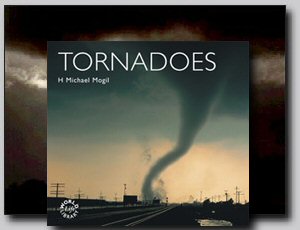
Many hit in sparsely populated rural areas and cause little or no damage or casualties, but some hit populations centers and cause major damage and some deaths and injuries. In recent years, notable tornadoes have cause casualties and/or significant damage in LaPlata and the College Park-Beltsville-Calverton area.
Tornadoes often spring up under conditions similar to those that create sever thunderstorms, when warm and 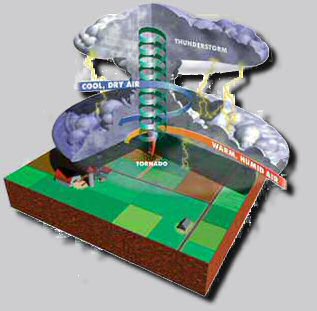
cold air masses collide. Tornadoes are less likely to form or travel long distances in hilly or mountainous areas. Tornadoes also can create waterspouts in the Chesapeake Bay or large river basins and create hazards for boaters.
Other tornado-related issues include power outages, hail, flash floods, thunderstorms and lightning. Tornadoes can happen any time, any where. In Maryland, the most common time of year for tornadoes is April through November, and most occur between 3 p.m. and 9 p.m. Some tornadoes can have winds of 200 mph or more and can destroy anything in its path.
Watch vs. Warning:
It is very important to be familiar with the terms involved:
- A Tornado Watch means that conditions are favorable for a tornado to occur. Continue to watch tv or listen to
the radio to see if there's anything to worry about.
- A Tornado Warning means a tornado has been spotted or detected on weather radar and could be coming your way.